Rethinking the “Best” Multi-Port GaN Charger Hype
Choosing the best multi-port GaN charger should feel simple, but it usually does not. Every spring, as people start booking trips and heading back to the office more, the internet fills up with lists that all promise the “ultimate” charger. Most of them focus on big watt numbers and a pile of ports, not on how you actually charge your stuff every day.
We see the same pattern all the time. Influencers hold up shiny bricks, Amazon search results look identical, and spec sheets read like a foreign language. Yet real life looks different: crowded power strips, weak hotel outlets, kids’ tablets, work laptops, earbuds, and phones all fighting for a little bit of power. The real question is not “What is the biggest charger?” but “What actually fits your life?”
At Chargeasap, we design from Australia for people who travel, work hybrid, and rely on their devices to get things done. We care less about hype and more about what happens when you plug in for the hundredth time in a hot hotel room or busy airport.
What “Best Multi-Port GaN Charger” Really Should Mean
GaN sounds fancy, but it is simple. Traditional chargers use silicon parts that get big and warm as power goes up. GaN, short for gallium nitride, lets us build chargers that are smaller, lighter, and stay cooler while still pushing high power.
So what actually makes the best multi-port GaN charger for a real person, not a spec sheet?
Here are the big things that matter:
- Total wattage and how it is split across ports
- Whether it can hold that power for long sessions without overheating
- How smart the charger is when you plug in more than one device
- Safety protections that keep both you and your devices safe
Marketing loves big numbers like 100 W or 200 W. Those can be great, but the better questions are:
- Can one USB-C port fast-charge your laptop on its own?
- What happens when you plug in your phone at the same time?
- Does it keep charging fast when the charger gets warm?
- Will it work with the outlets where you travel?
A useful way to judge any charger this spring is to look for:
- Clear power charts that show wattage per port in different use cases
- Real USB-C Power Delivery (PD) support, not just “fast charging” as a buzzword
- Safety features like over-current, over-voltage, and temperature protection
- Plug type and voltage that match where you live and where you travel
The Hidden Tradeoffs Behind Extra Ports and Extra Watts
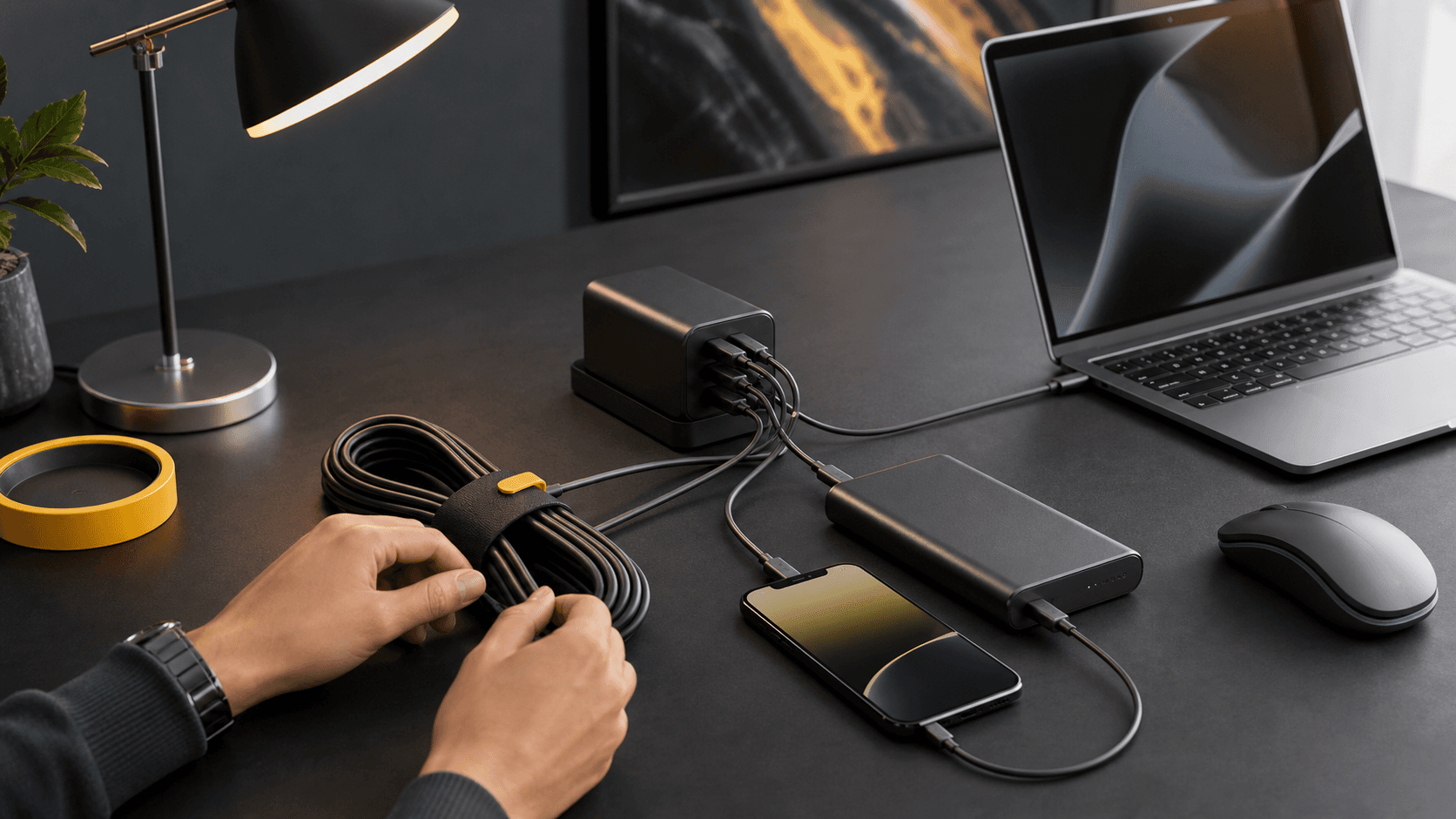
It is easy to think that more ports always means better. Four ports must beat two, right? Not always. Multi-port chargers share one power pool. When you plug in several devices, the charger has to split that pool across everything at once.
That is where common headaches start:
- Your laptop charges fast at first, then slows down when you plug in a second device
- A tablet says “charging” but not “fast charging” because it dropped to a weaker port
- Power drops and jumps each time you add or remove a cable
During spring and summer, these tradeoffs really show up. Families might plug in a couple of phones, a tablet, a handheld console, and earbuds in one hotel room. Remote workers might be on a video call with a laptop while topping up a phone and a power bank before boarding a long flight.
Good multi-port GaN chargers are not just about raw watts. They also balance:
- Compact size so the charger does not block nearby outlets or sag from the wall
- Heat management so it can run for hours without getting too hot
- Smart port layout so big plugs and cables do not fight for space
We design around tight outlets in old buildings, crowded power strips in home offices, and wobbly sockets in airports. A brick that looks strong on paper but overheats or blocks half the wall plate is not really the best multi-port GaN charger for anyone.
Matching the Right Charger to Your Travel and Work Life
Once you know that bigger is not always better, the next step is to match the charger to your actual life. Different people need different “best” options.
For example:
- Solo business traveler: usually one laptop and one phone, maybe earbuds
- Hybrid worker: laptop at home and office, phone, tablet, and maybe a second screen
- Family traveler: multiple phones, tablets, earbuds, portable game systems
Each group needs a different mix of:
- USB-C vs USB-A ports
- True fast charging for more than one device at a time
- Plugs and voltage that work across different regions
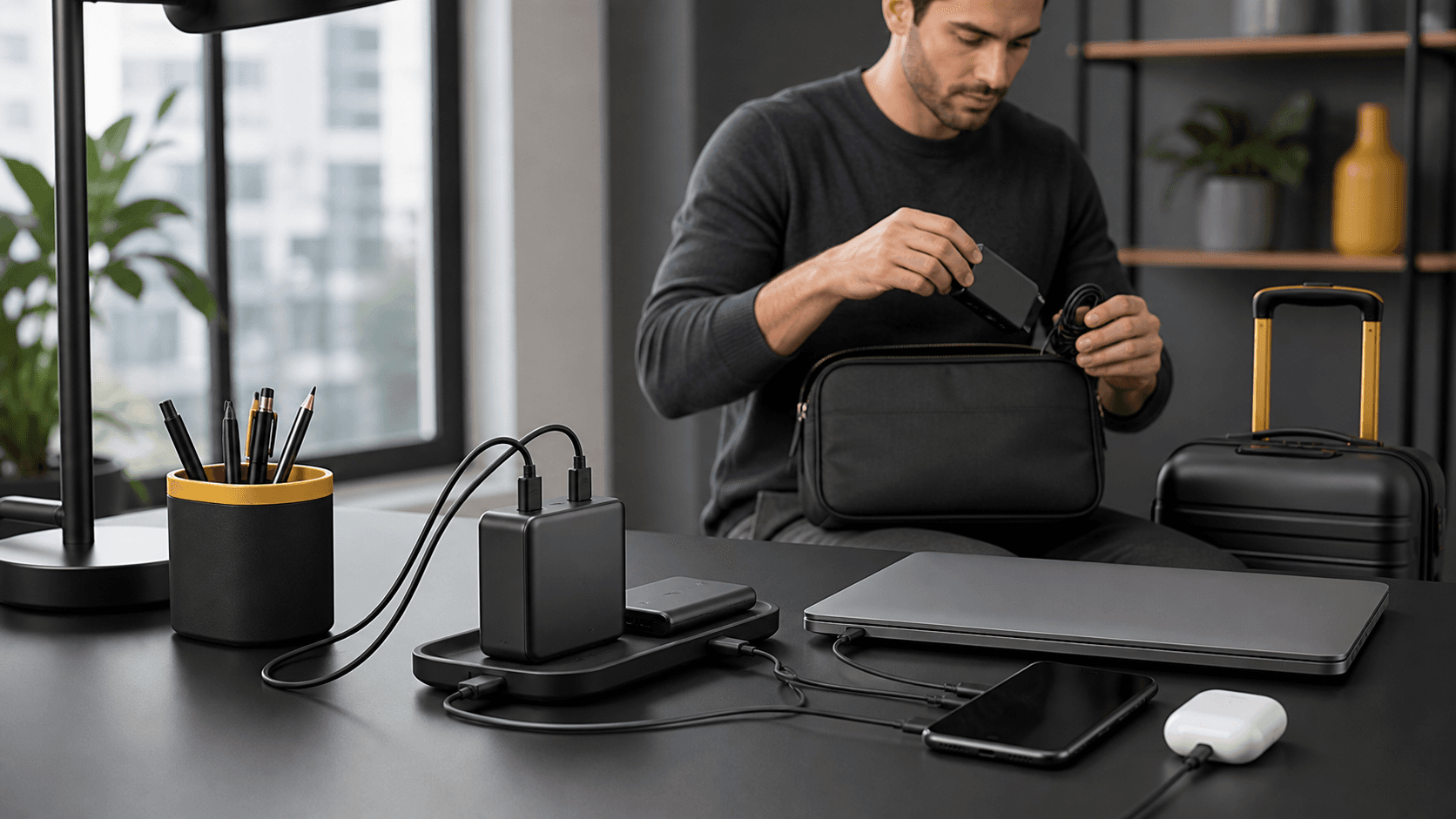
Pairing a GaN charger with magnetic cables and a solid power bank can make spring and summer travel much smoother. Magnetic cables cut down on wear and tear on your devices and are easier to connect in dim plane cabins or hotel bedsides. A high-capacity power bank lets you stay off the wall socket for long stretches, then your multi-port charger becomes the “hub” that fills everything while you sleep.
A quick travel checklist before you pack helps a lot:
- Which devices do you actually need fast-charged every day? (Often just your laptop and primary phone.)
- How many wall outlets will you likely have in most rooms?
- Do you want one compact hub that does everything, or a small kit, like one big hub plus a tiny single-port charger?
How Chargeasap Engineers Around Real-World Charging Pain
Because we are travelers ourselves, we build gear to handle the messy parts of real life, not just desk tests. Our design work here in Australia focuses on global use, from local coffee shops to overseas trips.
When we design GaN chargers, we focus on:
- Intelligently managed multi-port outputs that adjust power smartly as you plug and unplug
- Clear labeling so you know which ports are best for your laptop or phone
- Size and weight that make sense in a backpack or carry-on
Our magnetic cables are made to be rugged and easy. They help protect device ports from constant plugging and unplugging, especially for kids’ tablets or work phones that get charged several times a day. Our power banks are built for long work sessions or flights, when wall outlets are rare and you still need your laptop and phone to stay alive.
We also test for things that often get ignored:
- Weak or wobbly hotel room outlets
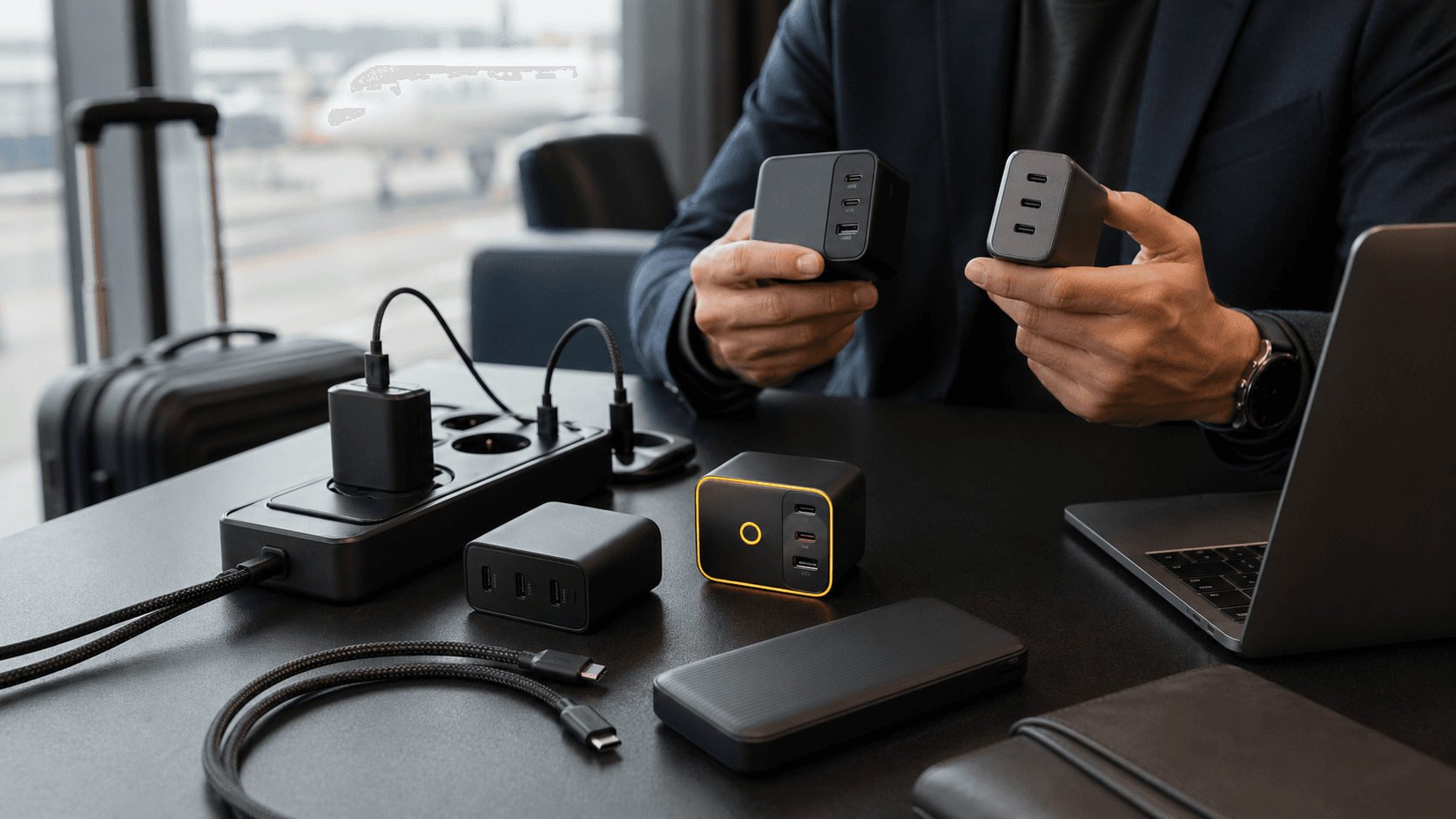
- Crowded airport charging stations where you only get one half-broken socket
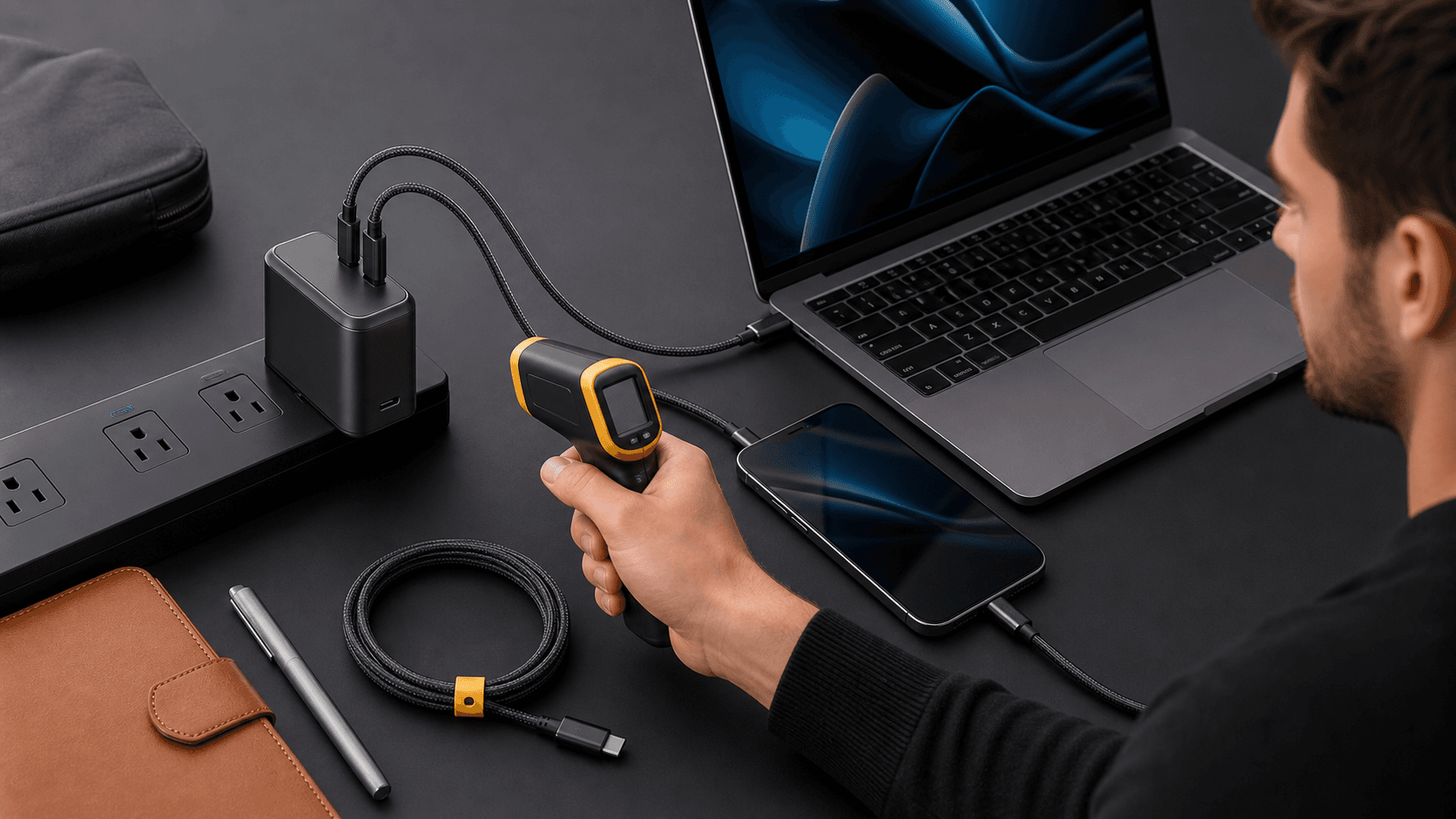
- Laptops under heavy load during video calls while other devices charge at the same time
We believe it is better to invest in a small set of purpose-built chargers, power banks, and cables that actually fit your lifestyle instead of a random pile of big bricks that never quite do what you need.
Choose Your Next Charger with Confidence, Not Hype
The best multi-port GaN charger for you is the one that matches your devices, your habits, and your travel plans, not the one with the loudest marketing. A simple way to decide is:
- List your top three devices that must stay charged
- Think about where you charge most often, like home, office, car, plane, or hotels
- Be honest about how often you travel and how many outlets you usually get
Then look for clear specs, honest power charts, and real safety details that line up with that list. When you focus on daily life instead of hype, it becomes much easier to pick a charger, a couple of magnetic cables, and maybe a power bank that keep everything running smoothly through spring, summer, and beyond.
Power Your Devices Smarter And More Efficiently Today
If you are ready to simplify charging at home, in the office, or on the go, we have you covered. At Chargeasap, we have carefully engineered the best multi-port GaN charger to give you fast, reliable power for all your essential devices. Upgrade your setup to reduce clutter, speed up charging times, and travel lighter. Make the switch today and experience how seamless everyday charging can be.